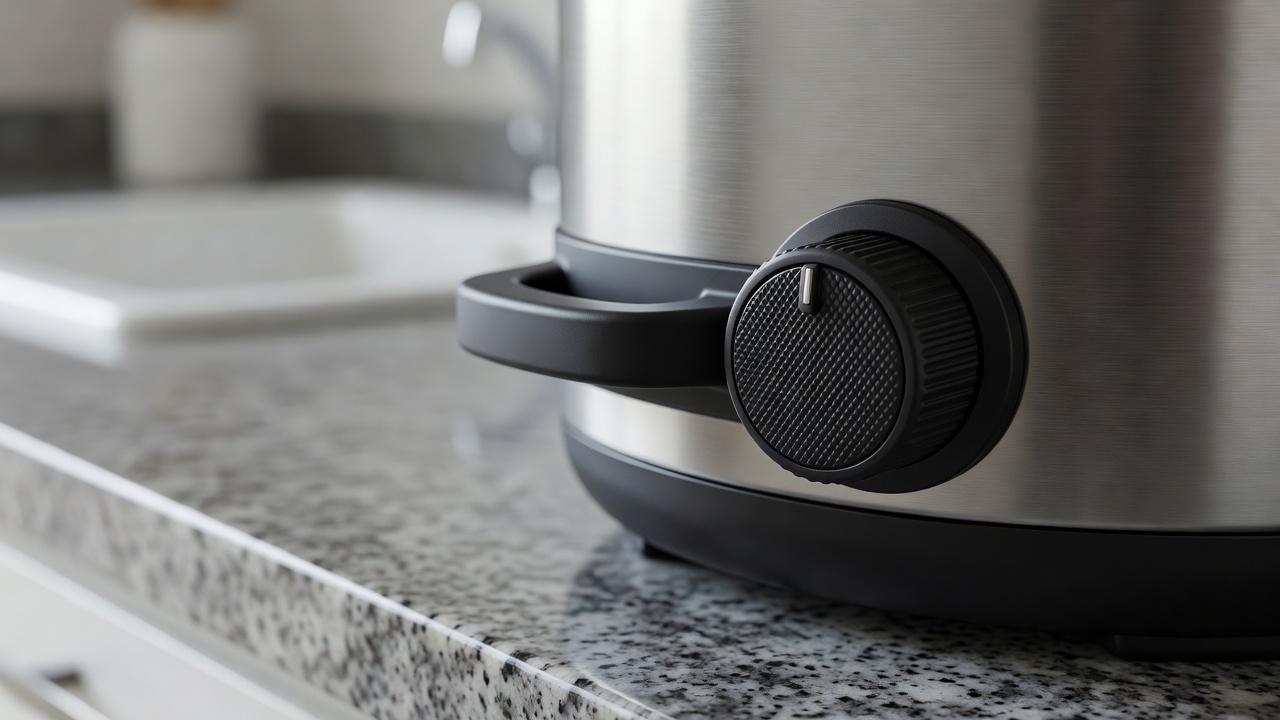
Permission comes before a meal plan
Before packing a hotplate, rice cooker or electric lunch box, ask the accommodation whether guests may use that specific type of appliance. Permission to make tea does not imply permission to fry food. A kitchenette may have rules about personal equipment, and a bedroom may lack suitable surfaces or ventilation. Obtain a clear answer rather than relying on photographs of sockets in a listing.
Check the facilities already provided. A shared kitchen with a suitable hob, refrigerator and washing-up area may remove the need to carry a cooker. If cooking is not permitted, build a meal plan around safe ready-to-eat food or local food services. Do not conceal an appliance, disable a detector or attempt to cook in a bathroom to work around a rule.
Understand what the device actually does
A heated lunch box may be intended to warm food under specific conditions rather than cook raw ingredients. A rice cooker may require a minimum quantity and may not support every recipe suggested online. A compact induction hob needs cookware with a compatible base and dimensions, as well as the clearances and electrical supply stated in its manual. “Multi-purpose” is not permission to improvise beyond those instructions.
Read the complete input specification. A cooker with electronics can have different supply requirements from a simple resistance heater. An adapter does not change voltage, and a converter that appears adequate by wattage alone may still be unsuitable. Do not select a converter arrangement without the relevant manufacturers' guidance. A device intended for a fixed domestic market may simply be a poor travel choice.
The approximate relationship P = V × I can help explain why power matters, but it is not a complete compatibility test. Power factor, operating modes and startup behaviour can complicate calculations for some equipment. Use the rated input current or power, and the limits of every component in the connection. Do not assume that separate sockets in one room are on separate circuits, or that a multi-socket adapter increases the available capacity.
Make space for heat and steam
Use a stable, heat-resistant location that meets the appliance instructions. Keep air inlets and outlets clear, route cords away from hot pans, and leave the required space around the device. A portable cooker can retain heat long after a light switches off. A towel, desk mat or suitcase lid is not a substitute for a suitable cooking surface.
Never use outdoor-only fuel-burning cooking equipment indoors or in an enclosed tent. This notebook focuses on electric appliances, but the distinction matters when comparing travel options: combustion adds fire and carbon-monoxide hazards that a compact size cannot remove. Follow local fire-safety advice and the equipment's intended-use restrictions rather than trying to adapt an outdoor setup to a room.
| Setting | Establish first | Practical alternative |
|---|---|---|
| Hotel bedroom | Explicit appliance permission and suitable facilities | Use approved hotel food facilities |
| Shared kitchen | Equipment rules, storage and cleaning arrangements | Use provided appliances as instructed |
| Self-catering apartment | Supply, cookware and ventilation | Plan meals around installed equipment |
| Campsite | Permitted location and hookup restrictions | Use the designated cooking area |
Food safety travels with the ingredients
Plan refrigeration before shopping. A minibar is not automatically suitable for storing perishable ingredients at safe temperatures. A powered cool box may have performance limits tied to ambient conditions, and a passive insulated bag does not create cold on its own. If you cannot verify appropriate storage, choose food that can safely be kept under the available conditions and follow the package directions.
Separate raw ingredients from ready-to-eat food, wash hands and utensils properly, and use a food thermometer when the preparation requires one. Do not infer safety from steam, surface browning or a warm container. Leftovers need a safe cooling and storage plan; if you cannot provide one, avoid preparing more than you can use safely.
The World Health Organization's Five Keys to Safer Food provides a useful foundation. The UK Food Standards Agency and the United States USDA Food Safety and Inspection Service publish practical food-handling guidance. Follow advice appropriate to the food and location, especially for people more vulnerable to foodborne illness.
Count the cleaning and packing costs
A realistic kit may need utensils, approved detergent, a drying area and protection for removable parts. Find out which components can be washed and which must remain dry. Never immerse a powered base unless its instructions explicitly permit the relevant cleaning method. Avoid letting rinse water enter a connector while working in an unfamiliar sink.
Allow the appliance to cool completely before cleaning or packing as directed. Remove food residues and dry all permitted washable parts. Standards such as IEC 60335-2-9 address certain portable cooking appliances, but a standard reference is not a blanket approval for every travel use. Check the precise model, current instructions and recall information. The smallest workable cooking setup may ultimately be no carried appliance at all.